
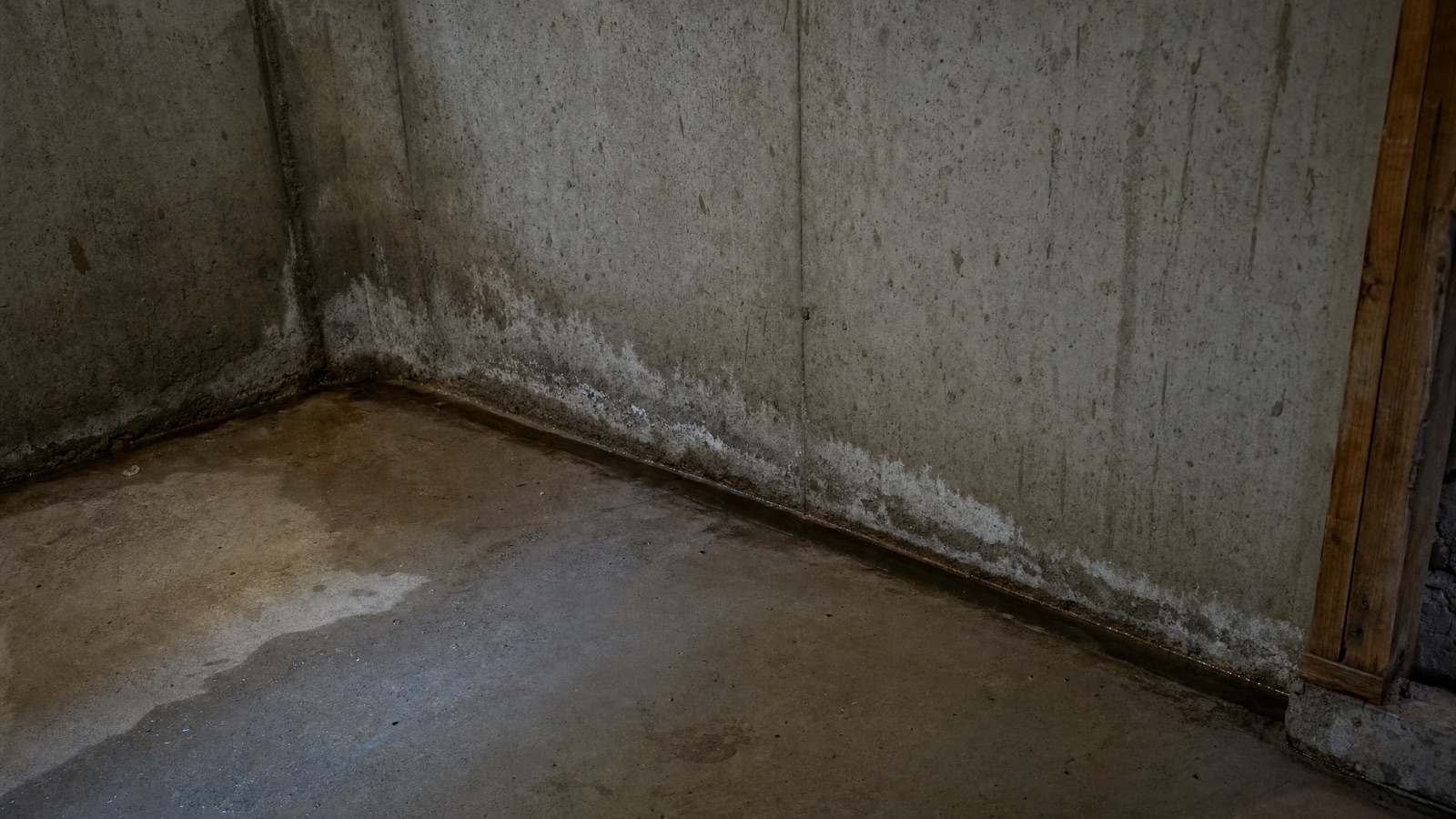
East Metro basements have a reputation for getting wet. If you own a home in Woodbury, Cottage Grove, Oakdale, or Maplewood, you have probably heard a neighbor mention a wet corner, a musty smell after a big rain, or a sump pump that runs constantly in spring. This is not bad luck. There are specific reasons why basements in this part of the Twin Cities take on water, and most of them trace back to soil, grading, and construction decisions made before you moved in.
Understanding the cause is the first step toward a real fix.
The Soil Under Your Home Is Part of the Problem
The Twin Cities metro sits on glacial deposits left behind when the last ice age ended. In the East Metro, this means clay-heavy soils and glacial till beneath many neighborhoods. Clay does not drain well. When it gets wet, it holds moisture and expands. When it dries out, it contracts and pulls away from your foundation.
That cycle of expansion and contraction does two things over time:
- It puts lateral pressure on basement walls, which can cause cracking and bowing
- It keeps soil near your foundation saturated longer than sandy or loamy soils would
Woodbury’s newer subdivisions sit on top of this same underlying geology. Even homes built in the last 10 to 15 years deal with clay-related drainage problems because the soil around a newly built home is backfilled and compacted during construction, then gradually settles over the next 5 to 10 years.
Backfill Settlement and the Grading Problem
When a home is built, the excavated soil is pushed back against the foundation after the walls are poured. That backfilled soil is loose. It settles. Over years, what started as a proper slope away from the house gradually flattens or even reverses, creating a bowl effect where water runs toward your foundation instead of away from it.
This is one of the most common conditions we find in East Metro neighborhoods built in the 1980s, 1990s, and early 2000s. A home in Cottage Grove or Maplewood that was graded correctly when it was built may now have flat or negative grade all the way around the foundation. Every heavy rain sends a sheet of surface water straight toward the basement.
Downspouts make this worse when they are too short or discharge into splash blocks that direct water toward the house. A downspout that drops water 18 inches from the foundation with a flat yard behind it is essentially pouring water at your basement wall.
Spring Snowmelt and Frozen Ground
Minnesota winters create a waterproofing problem that does not exist in most other parts of the country. By late winter, the ground beneath the snow is frozen solid, sometimes to a depth of several feet. When temperatures rise and the snowpack starts melting in March and April, the water has nowhere to go. The frozen layer below acts like a concrete shelf.
That snowmelt travels horizontally until it finds your foundation. It saturates the backfilled soil, pushes through cracks, seeps through cove joints at the base of the wall, and can enter through window wells. In a single week of above-average temperatures, a home in Woodbury or Oakdale can take on more water than it does in a dozen summer rainstorms combined.
Summer Storms and Saturated Soils
Summer brings a different kind of problem. The East Metro regularly sees intense rainfall events, the kind that drop an inch or more in an hour. When soil is already saturated from a wet spring or a prior storm, there is no capacity to absorb more water. It runs off, finds low spots, and those low spots are often against your foundation.
Homes without functioning drain tile are especially vulnerable during these events. Drain tile is the perforated pipe system installed at footing level that intercepts water before it can build hydrostatic pressure against the wall. Many older homes in Maplewood and Oakdale were built without interior drain tile, and some exterior systems installed decades ago have failed or are no longer functioning.
What Homeowners Can Check Right Now
Before calling anyone, walk your property and look for these warning signs:
- Grading. Does the yard slope away from the foundation, or does it run flat or toward the house?
- Downspouts. Do extensions carry water at least 6 feet from the foundation?
- Window wells. Are they draining, or do they hold standing water after rain?
- Cracks. Are there visible cracks at the cove joint (where the floor meets the wall) or along mortar joints in block walls?
- Efflorescence. White mineral deposits on concrete or block walls are a sign that water has been moving through the wall repeatedly.
- Sump pump. Does it have a working backup, and does it run frequently?
Any of these conditions is worth a professional look before a wet spring becomes a recurring problem.
The Fixes: Matching the Solution to the Cause
There is no single answer for every basement. The right fix depends on the cause and severity of the problem.
Corrective grading addresses surface water before it reaches the foundation. It is often the right first step for newer East Metro homes where backfill has settled and grade has reversed. Done correctly, it diverts runoff away from the house and significantly reduces the volume of water the foundation has to manage.
Drain tile handles water that has already reached the foundation. Interior drain tile systems intercept water at the footing, channel it to a sump pit, and pump it away before it can rise into the living space. This is the standard solution for older Cottage Grove and Maplewood homes that were built without any drain tile, or where existing systems have failed.
Foundation repair is necessary when walls have cracked, bowed, or shifted as a result of prolonged water pressure and soil movement. Waterproofing alone does not fix structural damage, and structural repairs alone do not stop water. Both have to be addressed.
If you are not sure what is driving your wet basement, a free inspection is the right starting point. We have worked in East Metro neighborhoods for over 20 years and can give you a straight answer about what is happening and what it will take to fix it. Call us at 651-364-4400 or contact us online to schedule.
Related Services
Have a Foundation Concern?
Get a free, honest inspection from a local team with 20+ years of Twin Cities experience.
Call 651-364-4400